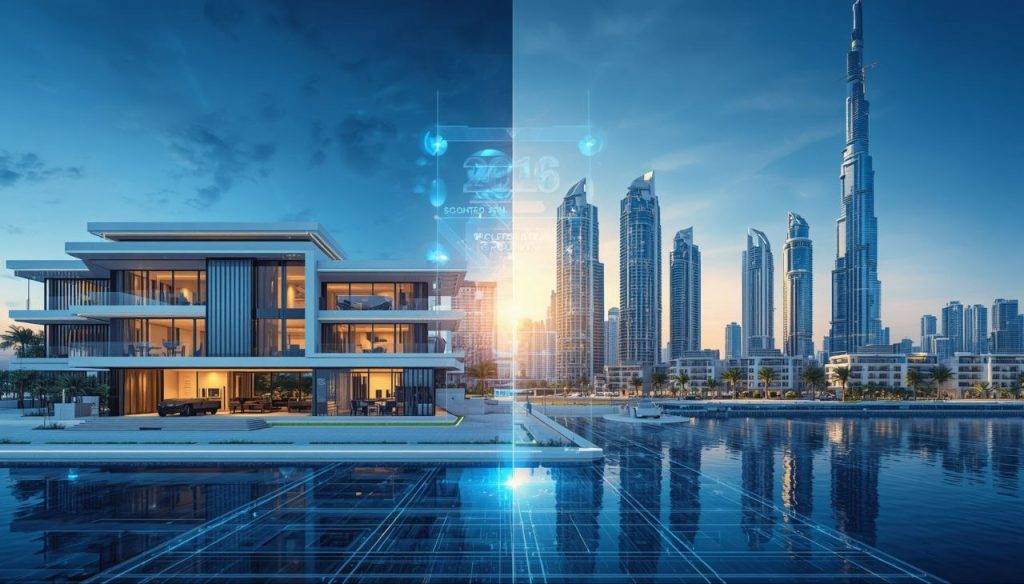
Dubai’s construction sector continues to demonstrate remarkable resilience and momentum in 2026, reinforcing its position as one of the world’s most dynamic development markets. From luxury villas and master-planned communities to commercial towers and infrastructure projects, construction activity remains strong across the emirate. Supported by population growth, investor confidence, government initiatives, and a robust real estate sector, the industry is entering a new phase of maturity while also facing a number of emerging challenges.
For contractors, developers, consultants, and investors, understanding the current market landscape is essential for navigating opportunities and managing risks in the years ahead.
Strong Development Activity Continues
The first quarter of 2026 highlighted the strength of Dubai’s construction market. Building permit issuance increased significantly compared to the previous year, reflecting continued demand for new developments across residential, commercial, hospitality, and mixed-use sectors. Construction inspections, concrete supply volumes, and project completion certificates also recorded strong activity levels, demonstrating the scale of ongoing development throughout the city.
This growth aligns with Dubai’s long-term vision under the Dubai 2040 Urban Master Plan, which aims to accommodate population growth, improve quality of life, and create sustainable urban environments. As new communities continue to emerge and existing districts expand, construction remains one of the key drivers of economic activity in the emirate.
Key Market Transformations in 2026:
Rising Costs & Contractor Selectivity: Tender price inflation sits between 2–4% in the UAE and 4–6% in KSA. Volatility in material costs (like steel and aluminum) means project owners are seeing tighter margins, prompting a shift toward early contractor engagement and agile capital deployment.
Severe Skilled Labor Shortages: The AEC sector continues to face an aging workforce and structural labor shortages. This drives the need for higher wages and a heavy reliance on prefabricated and modular construction methods to save on time and site-based manpower.
AI & Digital Integration: The industry has moved past debating the use of digital tools to mandating unified, data-centric environments. Artificial intelligence (AI) and Building Information Modeling (BIM) are used heavily for predictive risk management, delay analysis, and defect reduction.
Sustainability & Green-Building: With major regional economic visions taking center stage, green building integration is no longer optional. The adoption of low-carbon concrete, engineered timber, and IoT sensors for smart water and energy management is rapidly accelerating.
Residential Construction Remains a Key Driver
The residential sector continues to play a central role in Dubai’s construction boom. Demand from end-users, investors, expatriates, and high-net-worth individuals has encouraged developers to launch new projects across various market segments. Off-plan developments remain particularly active, with buyers attracted by flexible payment plans and long-term capital appreciation opportunities.
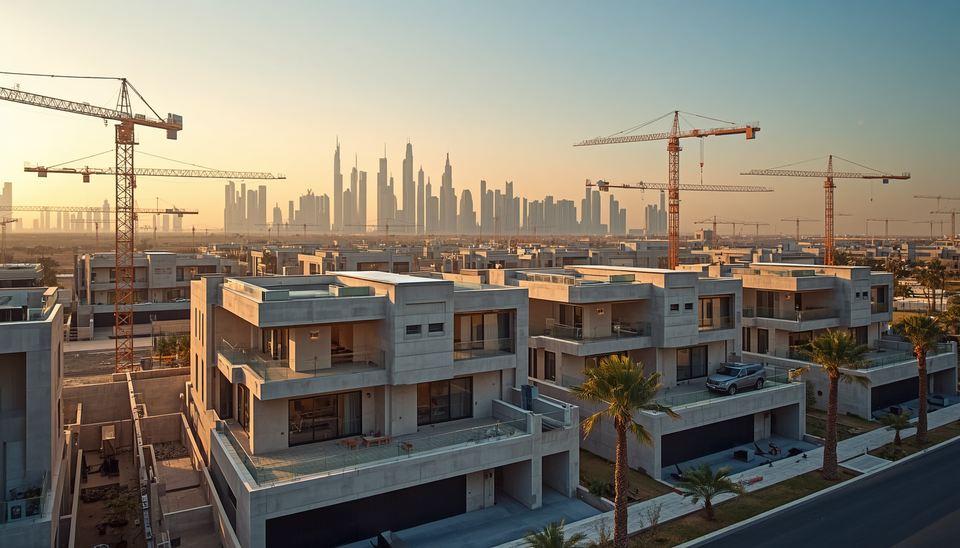
One notable trend is the continued strength of the villa and townhouse segment. Since the pandemic, buyers have increasingly prioritized larger living spaces, private outdoor areas, and family-oriented communities. This demand remains strong in 2026, helping support new villa developments across multiple locations throughout Dubai. Industry observers continue to note that villas face less supply pressure than apartments, contributing to their sustained appeal among both investors and end-users.
For contractors specializing in villa construction, this trend presents significant opportunities as developers and private clients continue to commission high-quality residential projects.
Massive Construction Pipeline Ahead
Dubai’s future construction pipeline remains substantial. Industry reports indicate that thousands of residential units are currently under construction across hundreds of active projects throughout the emirate. The pipeline includes apartments, townhouses, villas, mixed-use developments, and community infrastructure.
This extensive project pipeline demonstrates confidence in Dubai’s long-term growth prospects. Population growth, international migration, business expansion, and foreign investment continue to create demand for new housing and commercial space. At the same time, developers are increasingly diversifying project offerings to target different buyer profiles, ranging from affordable housing to ultra-luxury developments.
Rising Costs and Supply Chain Pressures
Despite strong market fundamentals, the construction sector is facing significant operational headwinds. Material costs, transportation expenses, and procurement risks have become increasingly important considerations for contractors and developers.
Construction input prices rose 2.8% overall in 2025, with certain materials climbing far sharper, aluminum surged more than 30% and steel jumped 17%, driven largely by elevated import tariffs and constrained supply. Metal products have been the standout pain point: metal molding and trim prices alone surged nearly 50% year-over-year, the largest annual increase since early 2023.
Regional geopolitical tensions and disruptions to global shipping routes have compounded these pressures. Approximately 70% of contractors report being directly affected by tariffs, and industry research estimates that trade policy can increase overall construction costs by as much as 4% to 8%, depending on material exposure and sourcing strategies. For cost-intensive packages ,particularly façade systems, MEP components, and imported materials, freight and insurance cost increases have added further upward pressure on budgets.
In response, project teams are placing greater emphasis on procurement planning, supplier diversification, and early material commitment. For contractors, efficient procurement strategies and front-loaded material planning are no longer just best practices, they are becoming critical factors in maintaining project profitability.
Challenges to Watch
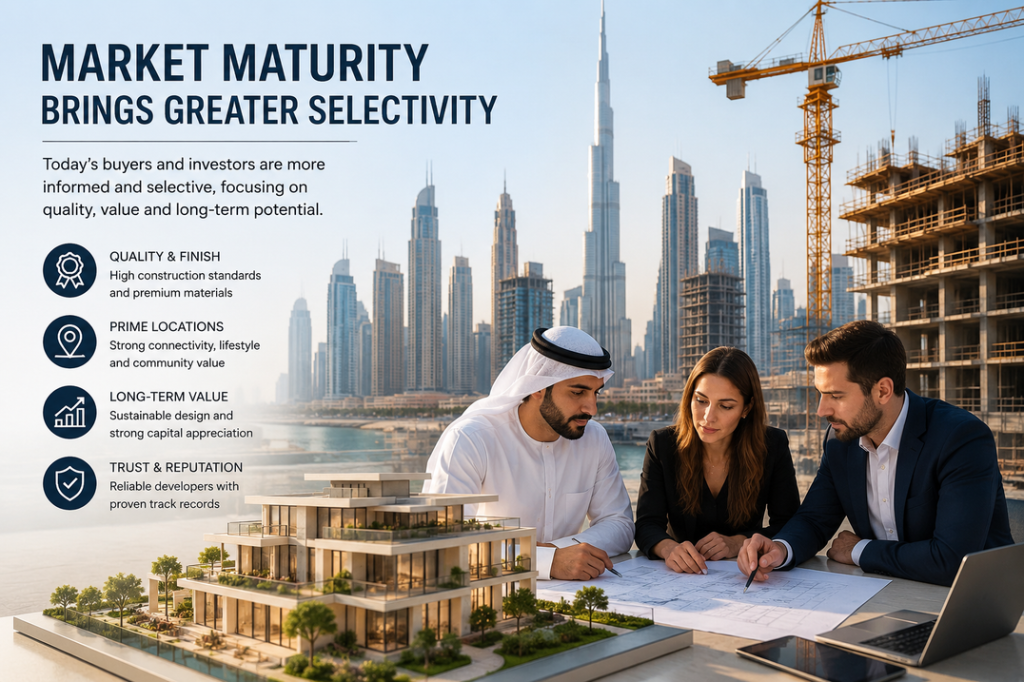
Although the overall outlook remains positive, several risks deserve attention. Analysts have highlighted concerns about future supply levels, particularly in the apartment sector, as a large number of units are scheduled for completion over the coming years. Some market observers also note that geopolitical uncertainty and global economic conditions could influence investor sentiment and project timelines.
Additionally, supply chain disruptions have led some developers to anticipate delays in project handovers, with certain completions potentially moving into 2027. These factors underscore the importance of careful project management, realistic scheduling, and financial discipline across the industry.
Looking Ahead
The outlook for Dubai’s construction sector remains largely positive. Strong development activity, continued population growth, government-led urban planning initiatives, and sustained real estate demand are expected to support the market throughout 2026 and beyond. At the same time, contractors and developers must navigate rising costs, supply chain complexities, and an increasingly competitive landscape.
For construction companies, success in today’s market will depend on more than simply building projects. It will require delivering quality, managing risks effectively, embracing innovation, and creating developments that meet the evolving expectations of residents, businesses, and investors.
As Dubai continues to grow as a global city, the construction industry remains at the heart of that transformation building not only structures, but the future of the emirate itself.