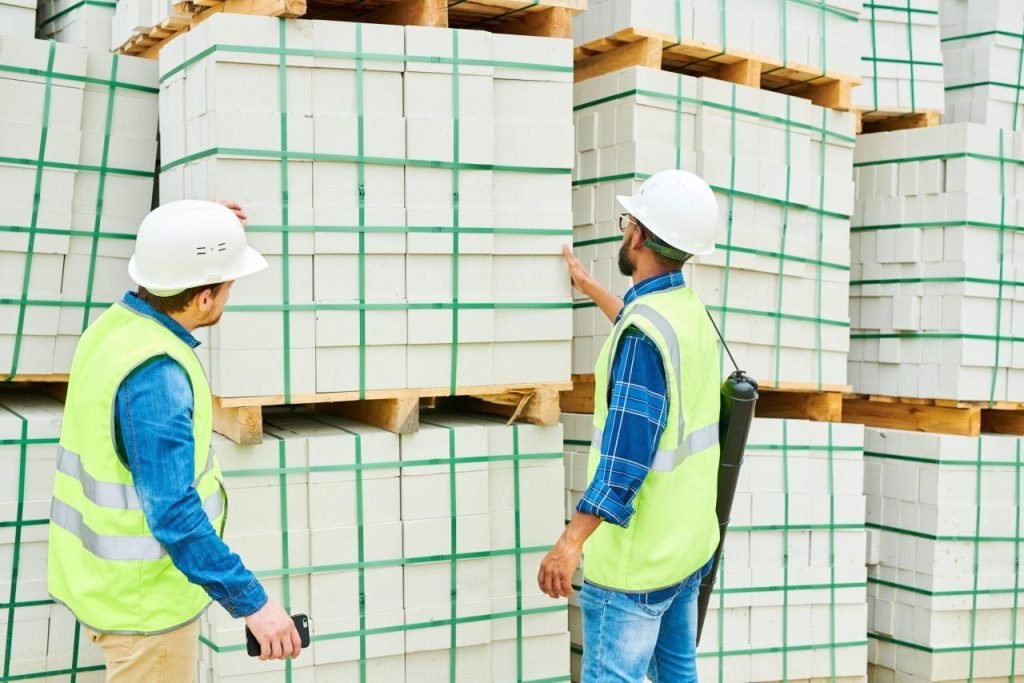
When people think about construction, they often focus on what happens on-site—workers, machinery, materials, and the final building taking shape. However, a significant part of a project’s success is determined long before construction begins. Procurement is fundamental to ensuring that every project has the materials, equipment, and resources required to move forward efficiently.
From selecting reliable suppliers to managing costs and ensuring timely deliveries, effective procurement can make the difference between a project that runs smoothly and one that experiences unnecessary delays and challenges. As the construction sector continues to grow, with new residential developments, commercial projects, and infrastructure projects being delivered at an unprecedented pace, having a strong procurement strategy has become more important than ever.
Procurement Is More Than Just Purchasing Materials
In construction, procurement is often misunderstood as simply ordering materials. In reality, it involves a much broader process that includes planning, supplier selection, cost analysis, contract negotiations, quality control, and delivery management.
A successful procurement process begins with a clear understanding of project requirements and the identification of materials, equipment, and services needed throughout each phase of construction. This proactive approach allows contractors to plan ahead, avoid shortages, and maintain uninterrupted project progress.
Whether it involves concrete, steel, mechanical systems, finishing materials, or specialist subcontractor services, every component must be carefully coordinated to keep the project aligned with its schedule and objectives.
Reducing Delays Through Better Planning
Construction projects are highly dependent on timing. A delay in receiving a critical material can impact multiple stages of work and create a chain reaction throughout the entire project programme.
For example, delays in structural material deliveries can slow concrete works, while the late arrival of MEP equipment may affect finishing activities and handover schedules. Effective procurement planning significantly reduces the risk of these issues by identifying long-lead items early, maintaining consistent communication with suppliers, and coordinating deliveries with construction timelines.
When procurement is managed effectively, materials arrive when they are needed—neither too early, creating storage and handling challenges, nor too late, causing costly delays on-site.
Managing Costs and Protecting Project Budgets
Construction costs are constantly influenced by factors such as material availability, transportation expenses, supply chain disruptions, and global market conditions. Without proper procurement management, unexpected price fluctuations can have a significant impact on project budgets.
A well-structured procurement strategy enables contractors to control costs by evaluating suppliers, negotiating favorable terms, and making informed purchasing decisions. However, the lowest price does not always represent the best value.
Supplier selection should also consider product quality, delivery reliability, technical support, and proven performance. The objective is to achieve the best overall value while maintaining the quality standards required for long-term project success.
The Role of Reliable Suppliers
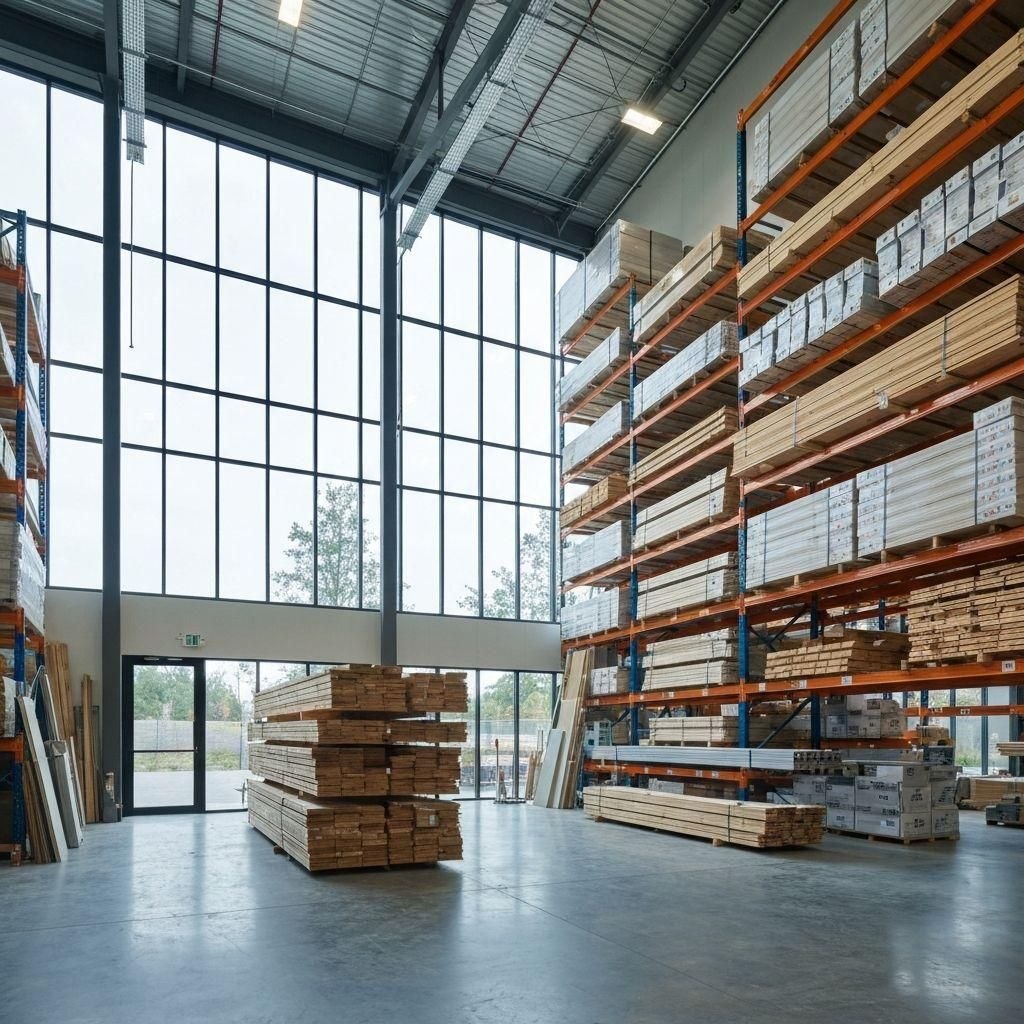
A construction project is only as reliable as the suppliers supporting it. Building strong relationships with trusted suppliers helps contractors maintain consistency in quality, pricing, and delivery performance.
Experienced procurement teams typically evaluate suppliers based on several key criteria:
- Product quality and certifications
- Previous project experience
- Ability to meet delivery deadlines
- Production capacity
- After-sales support
Reliable supplier partnerships also provide greater flexibility when unexpected challenges arise, enabling projects to adapt more quickly and minimize disruptions.
Procurement and Quality Control Go Hand in Hand
Quality begins with the materials selected for a project. While low-cost products may reduce initial expenses, they often increase the risk of defects, repairs, maintenance issues, and additional costs in the future.
A well-managed procurement process ensures that materials meet approved specifications and comply with relevant industry standards before reaching the site. From reviewing manufacturer documentation to inspecting delivered products, procurement teams play a critical role in maintaining the overall quality and durability of the finished development.
Managing Supply Chain Challenges
Recent years have demonstrated how vulnerable global supply chains can be. Shipping delays, material shortages, and market volatility have created significant challenges for construction companies around the world.
With demand for construction projects remaining strong, effective supply chain management has become essential for maintaining project schedules and controlling risks. As a result, many contractors are increasingly focused on:
- Early procurement of critical materials
- Working with multiple qualified suppliers
- Monitoring market conditions and availability
- Maintaining clear and consistent communication with vendors
These measures help reduce uncertainty and provide greater control over project timelines and resource availability.
Technology Is Improving Construction Procurement
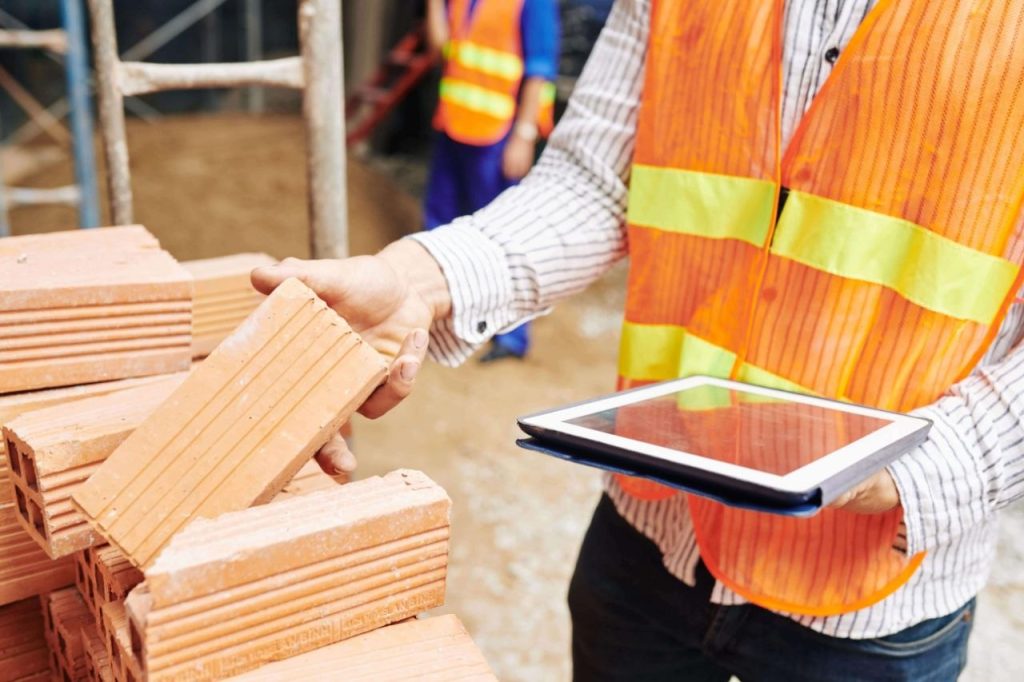
Technology is transforming the way procurement is managed across the construction industry. Digital platforms now enable companies to track purchase orders, compare supplier quotations, manage inventory, and monitor delivery schedules with greater efficiency and accuracy.
By integrating procurement systems with project management software, contractors gain improved visibility into costs, timelines, and material requirements. This enhanced transparency supports better decision-making and allows project teams to address potential issues before they affect construction progress.
Why Procurement Matters for Project Success
A successful construction project requires more than skilled labor and quality design. It depends on careful planning, effective coordination, and access to the right resources at the right time.
Procurement supports every stage of construction by helping control costs, maintain quality, reduce delays, and manage operational risks. Although much of the process takes place behind the scenes, its impact is reflected throughout the entire project lifecycle.
In today’s competitive construction environment, strategic procurement has become a key driver of project efficiency, cost control, and long-term operational success. Organizations that invest in structured procurement processes are better positioned to manage risks, meet project requirements, and deliver high-quality developments on schedule.
As the industry continues to evolve, effective procurement will remain a critical factor in achieving sustainable growth, maintaining client satisfaction, and delivering projects that stand the test of time.