
In construction, success is often associated with architectural design, engineering expertise, or premium materials. While these factors are important, one element that is frequently underestimated is site organization. A well-organized construction site is the foundation of efficiency, safety, productivity, and quality.
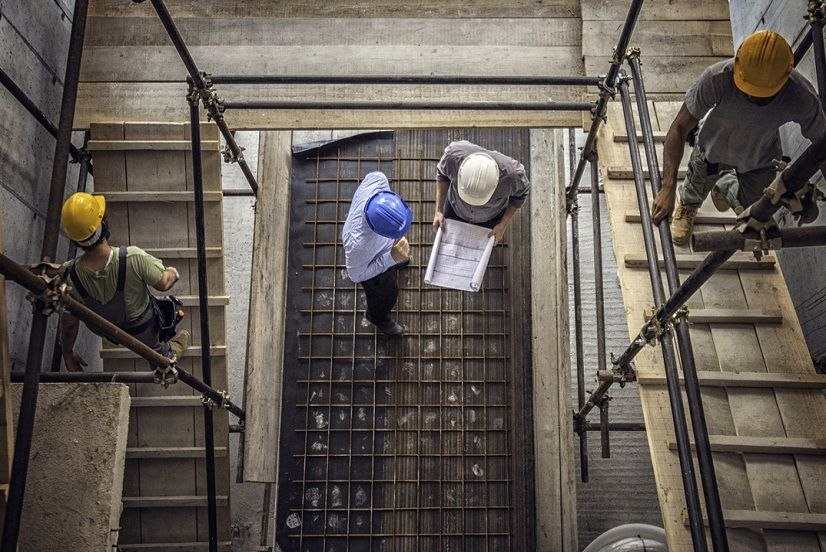
In Dubai’s fast-moving construction industry, where deadlines are tight and expectations are high, proper site management can determine whether a project progresses smoothly or faces costly delays.
For building and contracting companies, site organization is not simply about cleanliness or logistics—it is a strategic system that influences every stage of construction.
The Construction Site as a Working System
A construction site operates like a complex machine. Workers, materials, machinery, suppliers, engineers, and supervisors must all function in coordination. Without proper organization, even a well-designed project can quickly become inefficient.
Poorly managed sites often experience material shortages, blocked access routes, equipment delays, communication breakdowns, and increased safety risks. These issues not only slow progress but also affect workmanship and overall project quality.
In contrast, organized construction sites operate with structure and discipline. Materials are stored correctly, workflows are planned in advance, and responsibilities are clearly defined. This creates an environment where teams can work efficiently and safely.
Planning Before Physical Work Begins
Effective site organization begins before construction starts. Contractors must plan access points, material storage areas, equipment movement routes, worker facilities, and safety zones. In Dubai, where many projects are built in dense urban areas or premium residential communities, site logistics become even more important.
Limited access roads, nearby occupied buildings, and municipal regulations require careful coordination. Proper planning prevents congestion, reduces disruption, and improves productivity throughout the project.
Site setup also affects long-term efficiency. A poorly planned layout may force workers to move materials unnecessarily, wasting time and increasing labor costs. Strategic positioning of equipment and storage areas minimizes delays and supports smoother operations.
Material Management and Efficiency
Construction projects involve large volumes of materials arriving at different stages. Without proper organization, materials can become damaged, misplaced, or delayed.
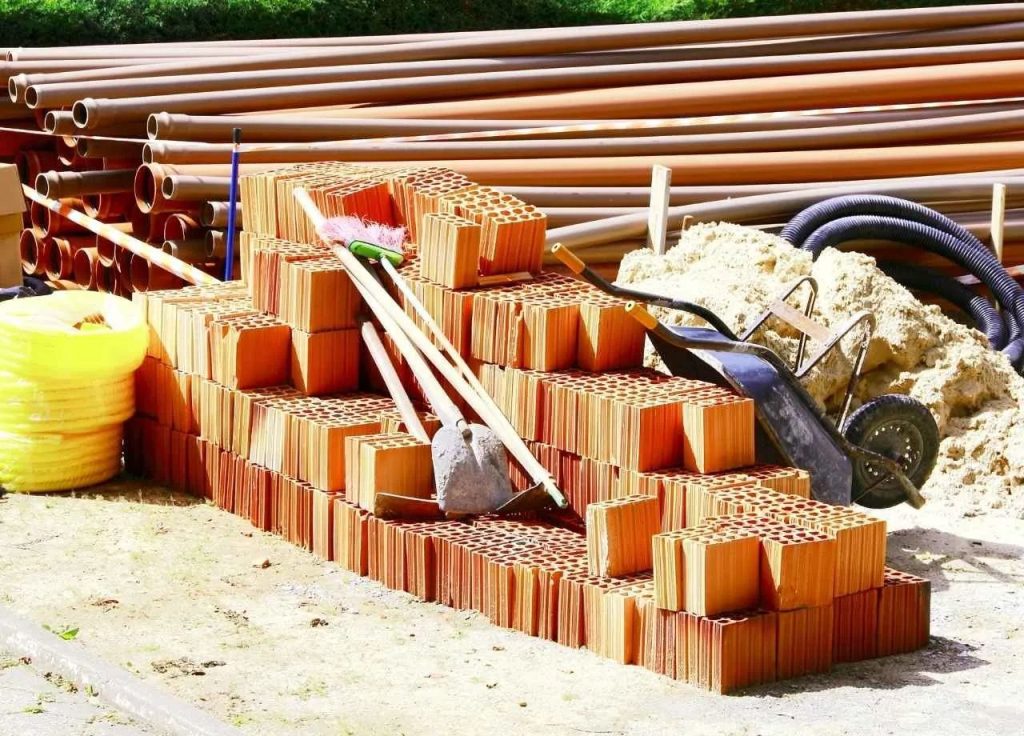
Organized contractors implement structured material management systems to track deliveries, storage conditions, and usage. Materials are labeled, protected from weather exposure, and stored according to project sequence. This reduces waste and ensures teams have what they need when they need it.
Depending on the climate, material protection is especially important. Exposure to heat, humidity, and sand can damage sensitive materials if storage is neglected. Proper handling preserves quality and prevents unnecessary replacement costs.
Safety Through Organization
Construction safety is closely linked to site organization. Cluttered pathways, scattered materials, and uncontrolled equipment movement create hazardous working conditions.
Organized sites reduce accidents by maintaining clear walkways, designated equipment zones, and properly secured storage areas. Safety signage, controlled access points, and emergency procedures become easier to implement when the site follows a structured layout.
Dubai maintains strict safety regulations within the construction industry. Contractors who prioritize organized site management not only protect workers but also ensure compliance with local safety standards and inspections.
Improved Productivity and Workforce Coordination
Construction projects involve multiple trades working simultaneously. Structural teams, electricians, plumbers, HVAC technicians, and finishing crews all depend on proper coordination.
An organized site allows these teams to work without interfering with one another. Clear scheduling, designated work zones, and efficient material access improve workflow and reduce downtime.
When workers spend less time searching for tools, waiting for materials, or navigating obstacles, productivity increases naturally. Small operational improvements across the project can significantly impact overall timelines and costs.
Maintaining Quality Standards
Quality construction requires controlled working conditions. Organized sites support better workmanship by reducing confusion and ensuring tasks are completed systematically.
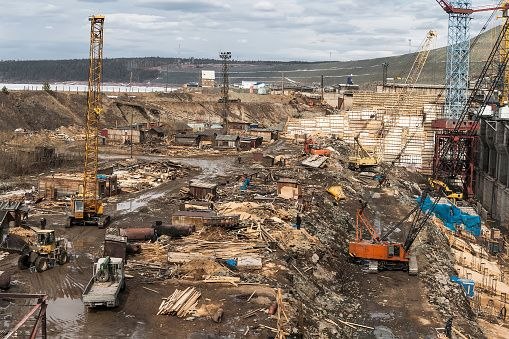
For example, finishing materials stored improperly may become damaged before installation. Dust and debris can affect paint finishes, flooring, or waterproofing systems. Organized contractors maintain clean and controlled work environments that protect construction quality at every stage.
Site supervision also becomes more effective in organized environments. Engineers and project managers can monitor progress accurately, inspect completed work efficiently, and identify issues before they escalate.
Managing Time More Effectively
Time management is one of the biggest challenges in construction. Delays in one phase can impact the entire project schedule.
Site organization improves timeline control by creating predictable workflows. Deliveries arrive according to schedule, work areas remain accessible, and teams can transition smoothly between project phases.
Timely delivery is critical. Clients expect projects to progress efficiently without compromising quality. Organized site management helps contractors maintain momentum and reduce avoidable delays.
Professionalism and Client Confidence
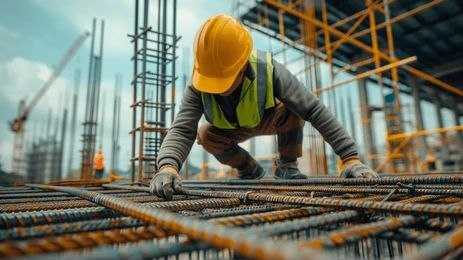
Construction sites also reflect the professionalism of a contracting company. Clients, consultants, and authorities often judge a contractor’s competence based on site conditions. A clean, structured, and well-managed site creates confidence. It demonstrates discipline, attention to detail, and operational control. Organized contractors project reliability—not only through words, but through visible action.
Site organization is far more than operational housekeeping. It directly influences safety, productivity, quality, efficiency, and client satisfaction. For building and contracting companies, maintaining organized construction sites is essential to delivering successful projects in a demanding and fast-paced industry.
Behind every smooth construction project is a site operating with structure, coordination, and discipline. When organization becomes part of the construction culture, projects are completed more efficiently, workers perform more effectively, and clients receive better long-term value.